Culture and Traditions of Nepal: What You Should Know
Nepal is a land of rich cultural diversity, where centuries-old traditions blend harmoniously with everyday life.
From the majestic peaks of the Himalayas to the bustling cities and serene rural landscapes, Nepal’s cultural fabric is woven with unique customs, festivals, and warm hospitality.
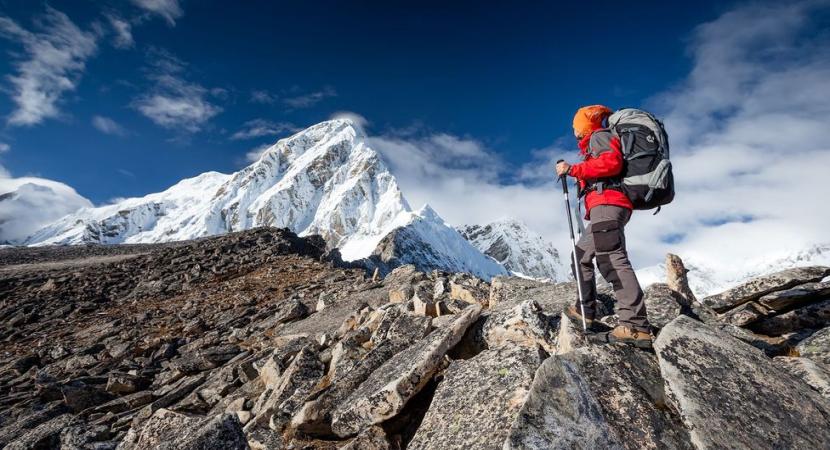
Whether you’re a trekker exploring the high mountains or an explorer diving into the vibrant towns, understanding Nepal’s culture will deepen your experience. Let’s uncover some key aspects of Nepal’s fascinating culture and traditions.
Diverse Ethnic Groups
Nepal has more than 120 ethnic groups, each with its own language, customs, and traditions. The largest groups include the Sherpas, Tharus, Gurungs, Magars, Newars, and Tamangs, among many others. Each community has its way of life, traditional attire, music, and festivals. The harmony among these diverse groups is one of the most inspiring aspects of Nepali society.
These ethnic groups have unique identities reflected in their customs and traditions. Whether in colourful festivals or distinct dances, the cultural richness of these communities adds vibrancy to the nation’s cultural fabric.
Religion and Spirituality
Nepal is primarily a Hindu nation, with about 80% of the population adhering to Hinduism. Buddhism also holds a deep spiritual significance, especially as Nepal is the birthplace of Lord Buddha in Lumbini. In many parts of the country, Hinduism and Buddhism coexist seamlessly, with temples and monasteries often standing side by side.
This blending of religions is evident in festivals, rituals, and daily practices. It is common to see people worship at both Hindu temples and Buddhist stupas, highlighting the nation’s spiritual unity and cultural tolerance.
Festivals: A Celebration of Life
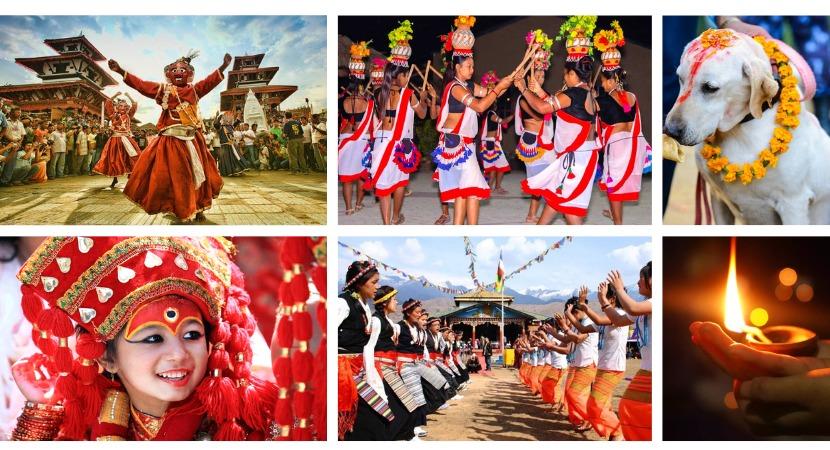
Nepal is often called the “Land of Festivals,” with year-round celebrations. Dashain is the biggest Hindu festival, celebrating the triumph of good over evil and bringing families together for feasts and blessings. Tihar, also known as the festival of lights, follows Dashain and involves beautiful decorations, honouring animals, and bonding with siblings during Bhai Tika.
Buddha Jayanti is an important festival celebrating Buddha’s birth, enlightenment, and death. Festivals offer unique insight into people’s daily rhythms and deep spirituality, bringing communities together in joy and devotion.
Traditional Music and Dance
Music and dance are an essential part of Nepal’s cultural expression. From the rhythmic folk dances of the Terai to the Sherpa songs of the mountains, music is a way for Nepali people to connect to their roots and express joy. The Newari Lakhey Dance is a well-known performance that is believed to ward off evil spirits.
Dohori, a form of conversational folk song, is popular in rural areas and often reflects themes of love and daily life. These vibrant performances are central to social gatherings, celebrations, and rituals, showcasing the nation’s cultural vibrancy.
Unique Art and Architecture
Nepal’s artistic heritage is visible in its architecture, paintings, and craftsmanship. The pagoda-style temples, intricate wood carvings, and beautiful stupas are a testament to the skill of Nepali artisans. Kathmandu Valley has numerous UNESCO World Heritage Sites, including Pashupatinath Temple, Swayambhunath (the Monkey Temple), and Boudhanath Stupa.
The Thangka paintings, with their intricate details, represent spiritual themes and Buddhist iconography. These monuments and artworks highlight the artistic prowess and devotion of the Nepali people, adding to the cultural landscape’s richness.
Clothing and Traditional Attire
Traditional clothing in Nepal varies across regions and ethnicities. The Daura Suruwal is considered the national dress for men, while women wear Gunyu Cholo. In the Himalayas, Sherpa people often dress in warm woollen clothing, such as Baku. Newari women in Kathmandu wear Haku Patasi, a traditional black saree with a red border.
These garments, with their vibrant colours and unique styles, symbolise cultural pride and are often worn during special occasions and festivals. Traditional attire serves practical purposes and showcases each community’s cultural identity.
Food Culture: A Culinary Adventure
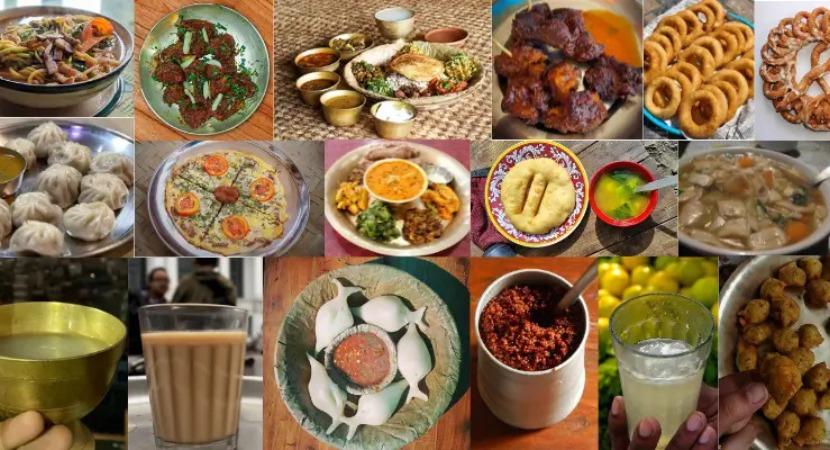
Nepali cuisine is simple yet flavorful, with influences from India and Tibet. The staple meal is Dal Bhat, consisting of lentil soup, rice, and vegetables, often accompanied by pickles and curried dishes. Momo, a type of dumpling, is popular among locals and tourists.
In the Himalayan region, Thukpa, a noodle soup, provides warmth against the cold. Food in Nepal reflects the country’s hospitality, and guests are often served lavishly, with multiple refills, as sharing food is an important part of Nepali culture.
Family and Social Structure
Family is the cornerstone of Nepali society. Joint families are common, especially in rural areas, where extended families live together under one roof. Elders are highly respected, and their guidance is valuable in decision-making.
Marriages are often arranged by families, with a strong emphasis on community and tradition. Nepali hospitality is renowned; visitors are treated with great respect. The phrase “Atithi Devo Bhava” (Guest is God) is deeply ingrained in the culture, leaving a lasting impression on travellers.
Daily Rituals and Religious Practices
Religion is a part of everyday life for most Nepalis. Many households have a small shrine where family members offer prayers each morning. Temples and stupas are scattered throughout the country, and it’s common to see people making rounds at Swayambhunath or offering butter lamps at Boudhanath.
These daily rituals help people feel connected to their spirituality, offering moments of peace and reflection. Yoga and meditation are widespread, as many seek harmony between mind, body, and soul.
Handicrafts and Local Markets
Nepal is known for its beautiful handicrafts, which make for wonderful souvenirs. The bustling streets of Kathmandu, Bhaktapur, and Patan are filled with local artisans selling handmade jewellery, wood carvings, metal statues, and woven textiles.
The Thamel area in the Kathmandu district is particularly famous for its shops offering trekking gear, Tibetan singing bowls, and Thangka paintings. Visiting these markets supports the local economy and provides an opportunity to interact with artisans and learn about their craft.
Hospitality: The Heart of Nepali Culture
One of the most striking aspects of Nepali culture is the hospitality of its people. No matter where you travel in Nepal, you will be greeted with warmth and kindness. It is common for villagers to invite trekkers into their homes for tea or a meal, even if they have very little to offer.
This sense of community and openness is deeply embedded in Nepali society. The traditional greeting “Namaste,” which means “I bow to the divine in you,” perfectly reflects the respect and warmth Nepalis show to others.
Preserving Traditions in a Changing World
While Nepal has embraced modernisation in many ways, its cultural roots remain strong. Festivals continue to be celebrated zealously, traditional attire is worn with pride, and local languages are passed down through generations.
The younger generation is finding ways to preserve these traditions while engaging with the modern world. This balance between old and new is what makes Nepal such a compelling place to visit—it’s a country that respects its past while moving forward into the future.
Conclusion
Nepal’s culture and traditions are vibrant, diverse, and deeply rooted in history. From the breathtaking festivals that bring communities together to the small, daily rituals that offer a glimpse into the spiritual lives of its people, every aspect of Nepali culture has something to teach and inspire.
Experiencing Nepal’s traditions is about seeing the sights and connecting with the people, understanding their stories, and sharing in their joy. Whether you’re trekking through remote mountain trails or exploring ancient cities, the culture of Nepal will stay with you long after your journey ends.
Real experiences from our trekkers, climbers, and adventure travelers. See why people choose Himalaya Safety Treks & Expedition for unforgettable journeys across Nepal.
What Our Travelers Say
"I did the 10 days ABC trek with Batti, a very good guide. The trek was amazing! First, I met the owner who gave me lots of information and advices for the trek. This agency is very..."
Clémence
Annapurna base camp trek
"처음부터 끝까지 완전 퍼펙트 했습니다 ^^
부펜 사장님과 미팅을 시작으로 3박 4일 동거동락을 함께했던 가이드와 포터 까지 친절하고 섬세한 보살핌 덕분에 뷰 포인트에서 장엄한 일출까지 보..."
박승직
PoonHill Annapurna Experience with Bijay
"I cannot praise Himalaya Safety enough for organizing my unforgettable Panchase trek in Nepal! Bhupi’s expertise in advising me on the perfect trek for my preferences was invaluabl..."
Gabriella Metrucci
Panchase trek
"I’ve just returned from a 9 day Annapurna base camp trek. The trek was very well planned out. Pre trek itinerary and information was excellent. The guides, Madhav, Santosh and Kim..."
Lynette Blanchard
Annapurna base camp trek
"I booked a day rock climbing and Mardi Himal trek through Himalaya safety adventure. I had a fantastic day climbing with Bhoopi. He was patient, kind and a brilliant climbing partn..."
Lucy Brierley
Mardi Himal Trek and Rock Climbing
"We had an amazing rock climbing session with Bhoopie in Pokhara – truly an unforgettable experience! Bhoopie’s expertise and calm guidance made us feel safe and confident throughou..."
Leonardo Lehning
Rock Climbing Experience
"마르디히말 트래킹과 패러글라이딩, 비행기를 여기서 예약했어요. 가이드와 포터 모두 친절했어요. 특히 가이드는 한국말을 잘했고, 저랑 엄마가 계단을 힘들어했는데 최대한 계단 없는 길로 가..."
We may use cookies or any other tracking technologies when you visit our website, including any other media form, mobile website, or mobile application related or connected to help customize the Site and improve your experience.