1. Spring Trekking in Nepal (March to May)
Spring is one of the best seasons for trekking in Nepal. As winter fades, trails become accessible, temperatures stabilize, and colorful rhododendrons bloom across the hillsides.
Weather in Spring
- High altitude: 10°C to 15°C
- Lower altitude: 20°C to 25°C
- Night temperatures: Can drop to 0°C at higher elevations
Highlights
Floral Bloom: One of the most striking features of spring trekking is the abundance of blooming rhododendrons. These colorful flowers blanket the hillsides, adding a vibrant touch to the landscape.
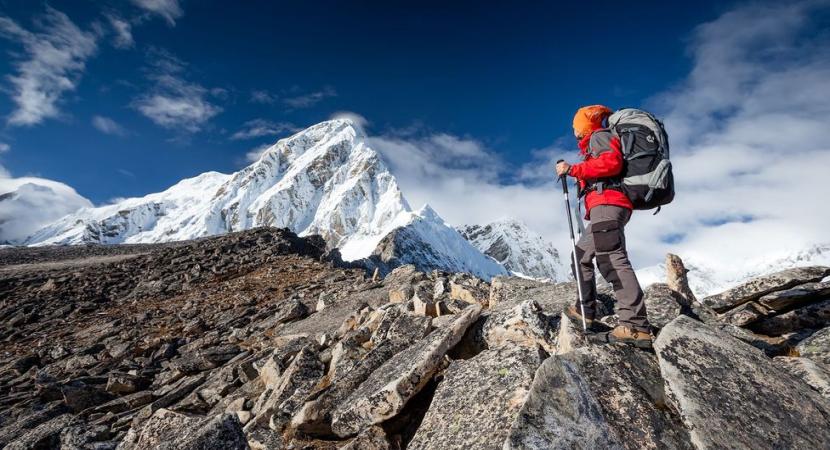
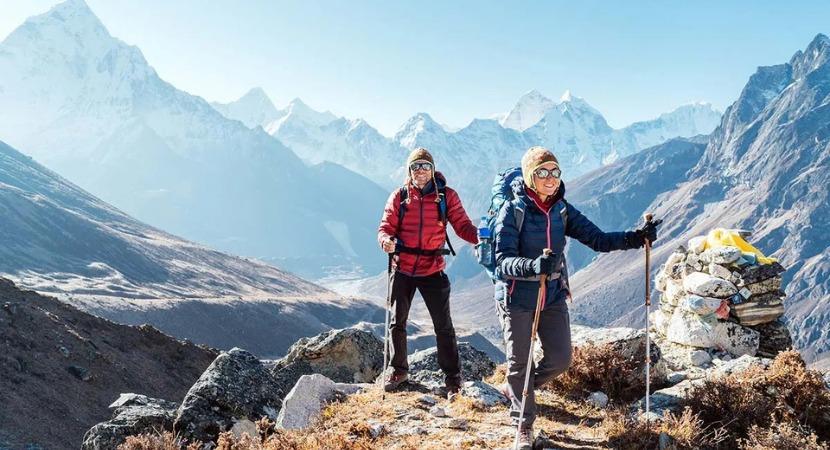
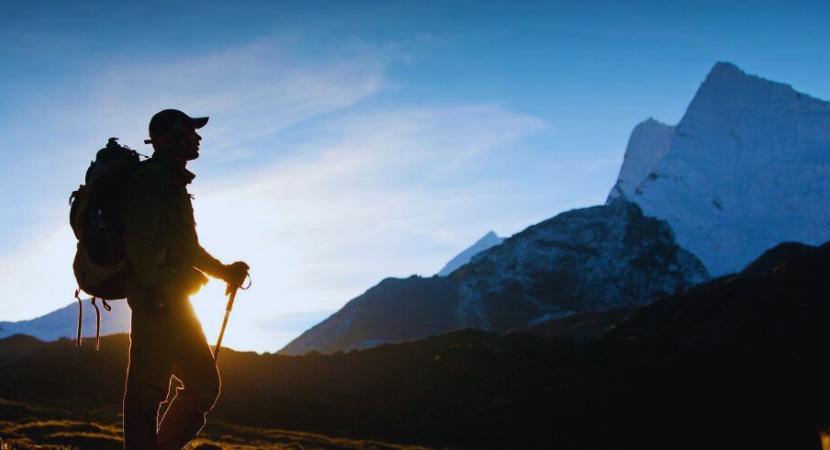
Clear Views: Spring often offers clear skies, providing stunning views of snow-capped peaks like Everest, Annapurna, and Kanchenjunga.
Comfortable Weather: The moderate temperatures make trekking comfortable, allowing trekkers to enjoy their journey without the extremes of heat or cold.
1. Popular Spring Treks:
i. Everest Base Camp Trek
The Everest Base Camp Trek is an iconic journey that brings trekkers face-to-face with the world’s highest peak. The trail offers breathtaking views of Everest, Lhotse, and Nuptse, along with a rich cultural experience in the Sherpa heartland. If you’re a beginner, the best time to trek in the Himalayas might be in spring or autumn when the weather is favorable.
Highlights
- Stunning views of Everest and the surrounding peaks.
- Visit Tengboche Monastery, the largest monastery in the Khumbu region.
- Immersion in Sherpa culture and hospitality.
Important Tips
- Proper acclimatization is essential
- Required permits: TIMS Card & Sagarmatha National Park Permit
- Pack layered clothing and warm gear
ii. Annapurna Base Camp Trek
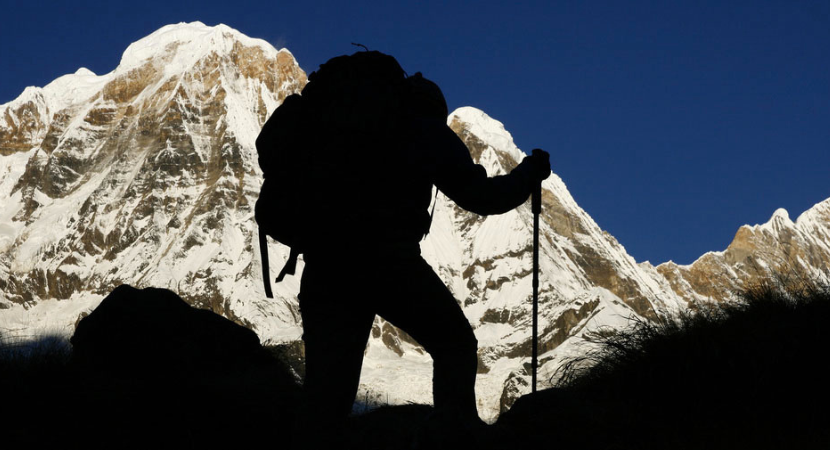
This trek showcases diverse landscapes, from lush forests to high alpine meadows, ending at Annapurna Base Camp.
Highlights
- 360° mountain panorama
- Gurung and Magar cultural villages
- Rhododendron forests
Important Tips
Permits: TIMS card and Annapurna Conservation Area Permit are required.
Packing: Layered clothing, a warm jacket for cold nights, and trekking poles for steep descents.
iii. Annapurna Circuit Trek
The Annapurna Circuit Trek is renowned for its diverse landscapes, ranging from subtropical forests to alpine meadows and arid deserts. The trek offers a panoramic view of the Annapurna and Dhaulagiri ranges. The weather conditions for the Annapurna Circuit trek are most favorable in the spring and autumn.
Highlights
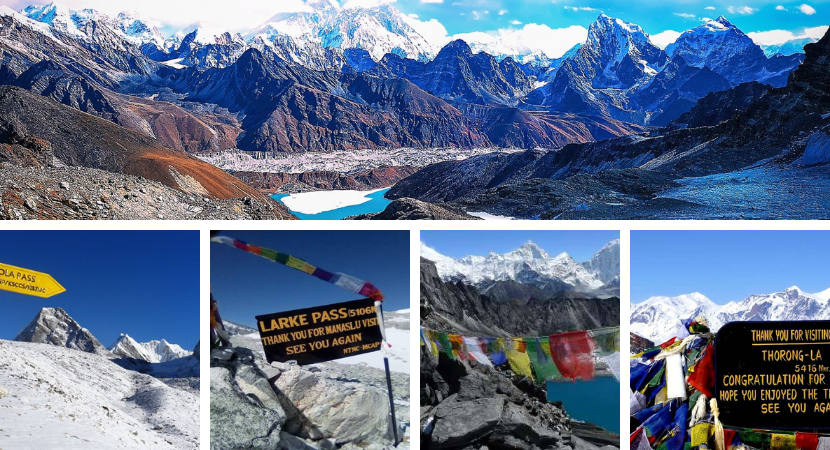
Crossing the Thorong La Pass (5,416 meters), one of the highest trekking passes in the world.
Stunning views of Annapurna, Dhaulagiri, and Machapuchare.
Exploring the Kali Gandaki Gorge, the deepest gorge in the world.
Important Tips
Acclimatization: Multiple days for acclimatization are recommended.
Permits: TIMS card and Annapurna Conservation Area Permit are required.
Packing: Varied clothing for different climates and trekking poles for steep descents.
iv. Langtang Valley Trek
The Langtang Valley Trek is known for its pristine natural beauty, rich cultural heritage, and relatively quieter trails. The trek offers stunning views of Langtang Lirung and an opportunity to explore the Tamang culture.
Highlights
Scenic landscapes with a mix of forests, meadows, and mountain views.
Visit Kyanjin Gompa, a Buddhist monastery.
Exploration of Langtang National Park.
Important Tips
Permits: TIMS card and Langtang National Park Permit are required.
Packing: Warm layers for chilly mornings and evenings, comfortable trekking shoes.
2. Summer / Monsoon Trekking in Nepal (June to August)
Summer coincides with Nepal’s monsoon season. While heavy rainfall affects many regions, rain-shadow areas remain excellent trekking destinations.
Weather in Summer
- Frequent rain at lower altitudes
- High altitude temperature: 15°C to 20°C
- High humidity
Highlights:
- Lush Greenery: The monsoon rains bring the landscape to life, with lush green forests and vibrant flora.
- Fewer Crowds: Summer sees fewer trekkers, offering a more solitary and peaceful trekking experience.
- Unique Destinations: Trekking in rain-shadow areas like Upper Mustang and Dolpo provides a different perspective of the Himalayas, with arid landscapes and unique cultural experiences.
1. Popular Summer Treks:
i. Upper Mustang Trek
The Upper Mustang Trek takes trekkers into the remote and culturally rich region of Mustang, often referred to as the “Last Forbidden Kingdom.” This area lies in the rain shadow of the Annapurna and Dhaulagiri ranges, making it a suitable destination during the monsoon season.
Trekking route east of Thorong La
Highlights:
- Exploring the ancient walled city of Lo Manthang.
- Visiting centuries-old monasteries and caves.
- Unique arid landscapes with colorful rock formations.
Important Tips:
- Permits: Special Upper Mustang Permit required, along with Annapurna Conservation Area Permit and TIMS card.
- Packing: Lightweight clothing for daytime, warm layers for evenings, a rain jacket, and sun protection.
ii. Dolpo Region Trek
The Dolpo Region Trek offers a remote and rugged trekking experience in one of Nepal’s least explored areas. The region’s unique culture and stunning landscapes make it a captivating destination for adventurous trekkers. For those seeking unique cultural experiences in the Dolpo trek, summer is an ideal time.
Highlights:
- Visiting Shey Phoksundo Lake, Nepal’s deepest lake.
- Exploring Shey Gompa, an ancient Buddhist monastery.
- Witnessing the traditional Bon and Tibetan Buddhist cultures.
Important Tips:
- Permits: Special Dolpo Permit required, along with Shey Phoksundo National Park Permit and TIMS card.
- Packing: Waterproof clothing, warm layers for high passes, and sturdy trekking boots.
iii. Manaslu Circuit Trek
The Manaslu Circuit Trek is a less crowded alternative to the Annapurna Circuit, offering stunning views of Manaslu, the eighth-highest peak in the world. The trek passes through diverse landscapes and culturally rich villages.
Highlights:
- Crossing the Larkya La Pass (5,135 meters) is a challenging high-altitude pass.
- Views of Manaslu, Himlung Himal, and other peaks.
- Exploring traditional Gurung and Tibetan villages.
Important Tips:
- Permits: Manaslu Conservation Area Permit, Annapurna Conservation Area Permit, and a TIMS card are required.
- Packing: Warm layers for high passes, waterproof clothing, and trekking poles.
iv. Lower Mustang Trek
The Lower Mustang Trek provides a more accessible route to explore the culturally rich Mustang region without the need for special permits. The trek offers diverse landscapes, from lush valleys to arid high-altitude deserts.
Highlights:
- Experiencing the unique culture of the Thakali people.
- Visiting the pilgrimage site of Muktinath.
- Exploring the ancient villages and monasteries of Jomsom and Kagbeni.
Imprtant Tips:
- Permits: Annapurna Conservation Area Permit and TIMS card are required.
- Packing: Lightweight clothing for daytime, warm layers for evenings, a rain jacket, and sun protection.
3. Autumn Trekking in Nepal (September to November)
Autumn is widely considered the best time to trek in Nepal. Post-monsoon weather delivers crystal-clear skies and ideal trail conditions.
Weather in Autumn
- High altitude: 10°C to 15°C
- Lower altitude: 20°C to 25°C
- Cold nights at higher elevations
Highlights:
- Exceptional Visibility: Autumn provides the clearest skies and the best visibility, ideal for photography and panoramic views of the Himalayas.
- Pleasant Temperatures: The moderate temperatures make trekking comfortable and enjoyable.
- Festive Season: Autumn coincides with major festivals in Nepal, such as Dashain and Tihar, offering trekkers a chance to experience local culture and festivities.
1. Popular Autumn Treks:
- i. Everest Base Camp Trek
The Everest Base Camp Trek is an iconic journey that brings trekkers face-to-face with the world’s highest peak. The trail offers breathtaking views of Everest, Lhotse, and Nuptse, along with a rich cultural experience in the Sherpa heartland.
Highlights:
- Stunning views of Everest and the surrounding peaks.
- Visit Tengboche Monastery, the largest monastery in the Khumbu region.
- Immersion in Sherpa culture and hospitality.
Important Tips:
- Acclimatization: Essential to prevent altitude sickness.
- Permits: TIMS card and Sagarmatha National Park Permit are required.
- Packing: Warm clothing for chilly nights and lightweight layers for daytime.
- ii. Annapurna Base Camp Trek
The Annapurna Base Camp Trek offers a diverse trekking experience, from lush forests to high alpine meadows, culminating at the base camp of Annapurna I. The trek provides stunning views of Annapurna South, Hiunchuli, and Machapuchare.
Annapurna Base Camp
Highlights:
- Reaching Annapurna Base Camp, surrounded by towering peaks.
- Diverse landscapes, including rhododendron forests and terraced fields.
- Experiencing the rich culture of the Gurung and Magar communities.
Important Tips:
- Permits: TIMS card and Annapurna Conservation Area Permit are required.
- Packing: Layered clothing, a warm jacket for cold nights, and trekking poles for steep descents.
Spring vs Autumn Trekking in the Himalayas: Both spring and autumn are excellent seasons for trekking in the Himalayas. Spring offers blooming rhododendrons and milder temperatures, while autumn provides clear skies and the best visibility. Choosing between these seasons depends on your preferences for weather and crowd levels.
- iii. Gokyo Lakes Trek
The Gokyo Lakes Trek is a less crowded alternative to the Everest Base Camp Trek, offering stunning views of the turquoise Gokyo Lakes and panoramic vistas from Gokyo Ri. The trek also includes a visit to the Ngozumpa Glacier, the largest glacier in Nepal.
Gokyo Lake
Highlights:
- Stunning views of the Gokyo Lakes and surrounding peaks.
- Ascent of Gokyo Ri for panoramic views of Everest, Lhotse, and Makalu.
- Crossing the challenging Cho La Pass (optional).
Important Tips:
- Acclimatization: Essential to prevent altitude sickness.
- Permits: TIMS card and Sagarmatha National Park Permit are required.
- Packing: Warm clothing for chilly nights, waterproof gear, and trekking poles.
4. Winter Trekking in Nepal (December to February)
Winter trekking offers peaceful trails and snow-covered scenery. While high passes may close, many lower-altitude treks remain accessible.
Weather in Winter
- High altitude daytime: ?10°C to ?15°C
- Lower altitude: 5°C to 10°C
Highlights:
- Serene Landscapes: Winter offers tranquil and peaceful trekking environments with pristine snow-covered landscapes.
- Fewer Crowds: The trails are much less crowded, providing a more solitary and immersive experience.
- Unique Beauty: The snow-covered peaks and valleys offer a unique and breathtaking perspective of the Himalayas.
1. Popular Winter Treks:
i. Everest View Trek
The Everest View Trek is a shorter trek that provides stunning views of Everest and the surrounding peaks without reaching extreme altitudes. This trek is suitable for winter, as it avoids the highest passes.
Highlights:
- Panoramic views of Everest, Lhotse, Ama Dablam, and Thamserku.
- Visit Tengboche Monastery, offering a spiritual and cultural experience.
- Immersion in Sherpa culture and hospitality.
Important Tips:
- Permits: TIMS card and Sagarmatha National Park Permit are required.
- Packing: Warm clothing for chilly nights and mornings, lightweight layers for daytime, and trekking poles.
ii. Ghorepani Poon Hill Trek
The Ghorepani Poon Hill Trek is a popular lower-altitude trek that offers spectacular sunrise views over the Annapurna and Dhaulagiri ranges. This trek is suitable for winter, as it remains accessible and provides stunning scenery.
Highlights:
- Sunrise view from Poon Hill, with panoramic views of Annapurna, Dhaulagiri, and Machapuchare.
- Trekking through rhododendron forests and picturesque villages.
- Experiencing the rich culture of the Gurung and Magar communities.
Important Tips:
- Permits: TIMS card and Annapurna Conservation Area Permit are required.
- Packing: Layered clothing, a warm jacket for cold mornings, and trekking poles for steep descents.
iii. Helambu Trek
The Helambu Trek is close to Kathmandu and remains accessible in winter. The trek offers beautiful scenery, including lush forests, terraced fields, and views of the Langtang range. It is known for its rich cultural experiences and relatively moderate altitude.
Highlights:
- Scenic landscapes with forests, meadows, and terraced fields.
- Visiting Buddhist monasteries and traditional Tamang villages.
- Panoramic views of the Langtang range.
Important Tips:
- Permits: A TIMS card and Shivapuri National Park Permit are required.
- Packing: Warm clothing for cold mornings and evenings, as well as comfortable trekking shoes.

5. Detailed Guide to Trekking in the Himalayas
Trekking in the Himalayas requires careful planning and preparation. Here’s a detailed guide to help you get started:
Best Time for Beginners
Spring and autumn are ideal due to stable weather and safer trails.
How to Prepare for Trekking?
- Cardio & endurance training
- Gradual acclimatization
- Proper trekking gear
Altitude Sickness Prevention
- Ascend slowly
- Stay hydrated
- Know symptoms and prevention methods.
Budget for Trekking in Nepal
- Permits, guides, accommodation, food, and transport
- Costs range from budget treks to premium experiences.
Frequently Asked Questions (FAQs)
Q: What is the best month to trek in Nepal?
October and April are considered the best months.
Q: Is trekking possible during the monsoon?
Yes, especially in rain-shadow regions like Upper Mustang.
Q: Can beginners trek in Nepal?
Absolutely. Trekking routes like Poon Hill and the Everest View Trek are suitable for beginners.
Conclusion
The best time to trek in Nepal depends on your preferences, experience level, and trekking goals. Spring and autumn offer ideal conditions, while summer and winter provide unique, quieter adventures. With proper planning and guidance, every season in Nepal offers unforgettable trekking experiences.
Contact Himalaya Safety Treks & Expedition Pvt. Ltd. to plan your trek safely and confidently. Let us guide you through the heart of the Himalayas—any season, any trail.