

Office Address
Comapany Address
Phone Number
Email Address
info@ hstnpl.com
Comapany Address
info@ hstnpl.com
Peak climbing in Nepal offers an exhilarating adventure for mountaineers and thrill-seekers. From accessible trekking peaks to challenging high-altitude climbs, Nepal provides opportunities to conquer some of the most scenic and iconic peaks in the world, all while experiencing the Himalayas up close.
Nepal is home to over 1,200 peaks, including 8 of the 14 world’s tallest mountains above 8,000 meters. Peak climbing experiences range from beginner-friendly trekking peaks like Island Peak and Mera Peak to technically demanding mountains for experienced climbers. All climbing tours are organized with certified guides, proper equipment, and safety measures to ensure a rewarding and secure adventure.
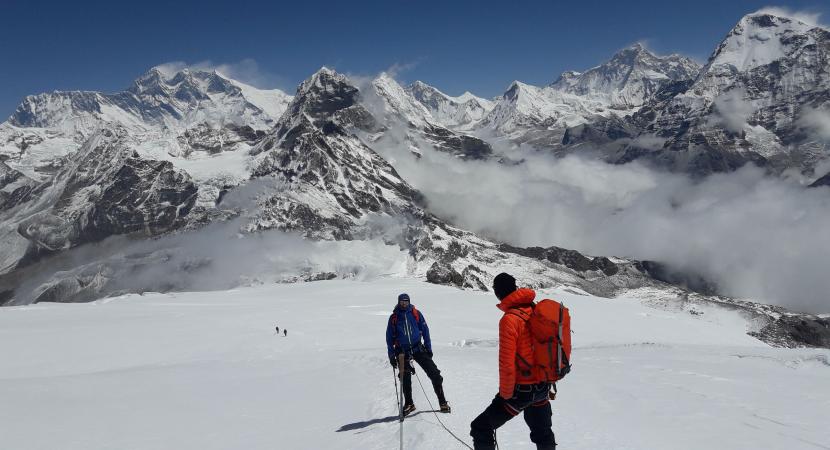
Climbing tours can be customized for different skill levels and durations. Whether you aim for a short climbing expedition or a multi-week high-altitude adventure, Nepal’s peaks offer stunning Himalayan panoramas, glacier crossings, and the thrill of reaching summits that few have conquered.
Island Peak (6,189m) in the Everest region is a popular trekking peak suitable for beginner climbers. The climb offers spectacular views of Everest, Lhotse, and Ama Dablam, and includes glacier walking, ice climbing, and a summit experience that feels like a high-altitude adventure without extreme technical difficulty.
Mera Peak (6,476m) is the highest trekking peak in Nepal and a favorite among climbers seeking panoramic Himalayan views. The climb involves moderate snow and ice techniques and offers breathtaking vistas of five 8,000-meter peaks including Everest, Kanchenjunga, and Lhotse.
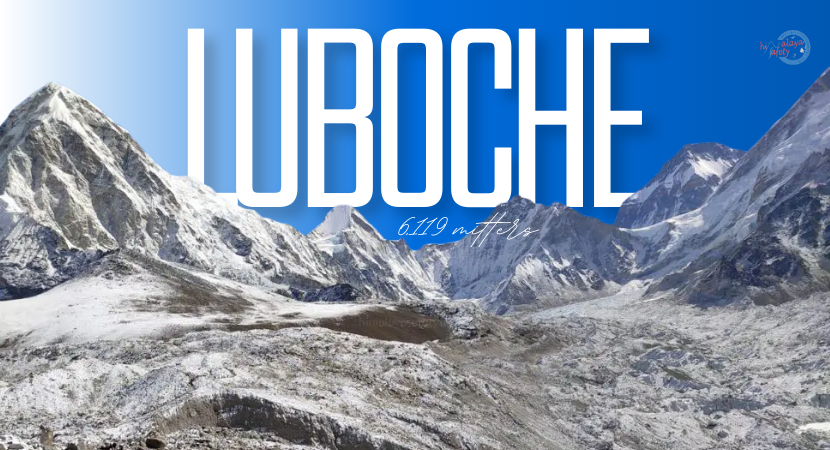
Located near Everest Base Camp, Lobuche Peak (6,119m) provides a challenging ascent with steep ridges and ice climbing sections. The summit offers amazing views of the Khumbu region and nearby high peaks.
Himlung Himal (7,126m) in the Manaslu region is suitable for experienced climbers seeking high-altitude challenges. The expedition includes glacier travel, technical climbing sections, and remote Himalayan landscapes with fewer crowds.
The best seasons for peak climbing in Nepal are autumn (September to November) and spring (March to May). During these months, the weather is stable, skies are clear, and temperatures are favorable for high-altitude climbing. Monsoon season (June to August) brings heavy snowfall and avalanches, making climbing dangerous, while winter (December to February) is extremely cold and suitable only for experienced climbers with proper gear.
“Challenge yourself, reach new heights, and experience the thrill of Nepal’s majestic peaks.”



Something Amazing Waiting For you