

Office Address
Comapany Address
Phone Number
Email Address
info@ hstnpl.com
Comapany Address
info@ hstnpl.com
Trekking in Nepal is one of the most rewarding travel experiences in the world, offering breathtaking mountain scenery, diverse landscapes, and rich cultural encounters. From gentle foothill walks to challenging high-altitude trails, Nepal’s trekking routes cater to all levels of trekkers, making it a premier destination for adventure seekers and nature lovers.
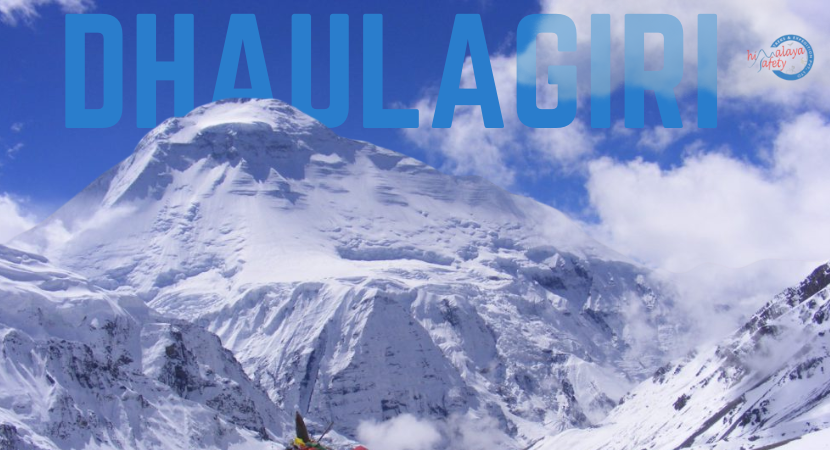
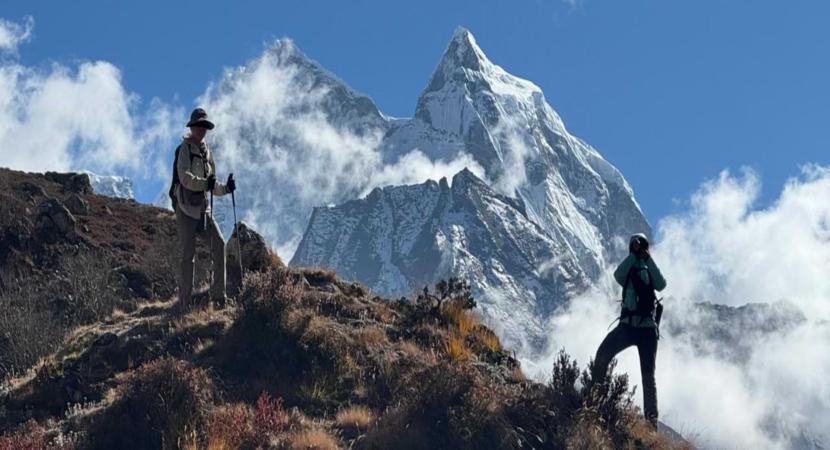
Nepal is home to the Himalayas, including eight of the world’s fourteen highest peaks. Trekking routes pass through traditional villages, terraced farmlands, alpine forests, glacial valleys, and high mountain passes. Each trek offers a unique combination of natural beauty, cultural heritage, and personal achievement.
Our trekking programs are professionally organized with experienced guides, porters, and well-planned itineraries. Treks can range from short and easy hikes to multi-week high-altitude adventures, all designed with proper acclimatization, safety measures, and comfortable accommodation options.
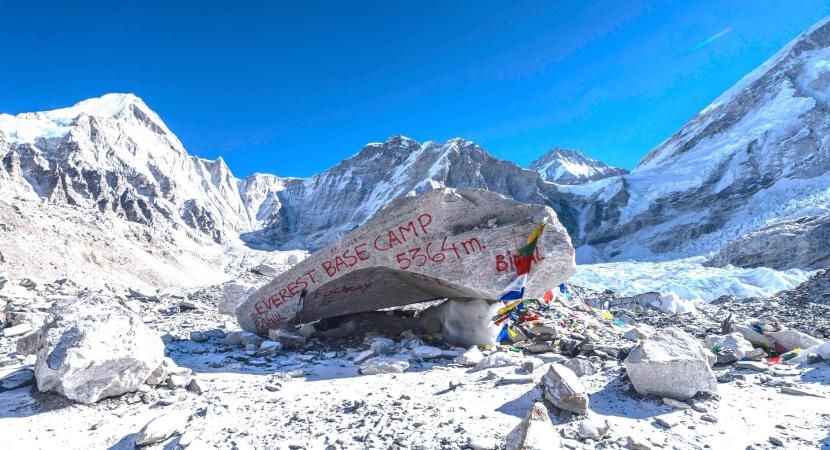
The Everest region offers iconic trekking routes such as Everest Base Camp and Gokyo Valley. Trekkers experience stunning views of Mount Everest, Sherpa culture, ancient monasteries, and dramatic Himalayan landscapes.
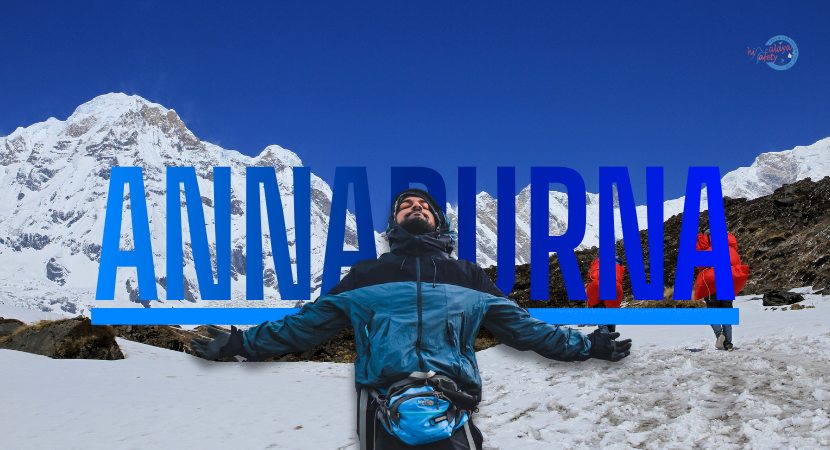
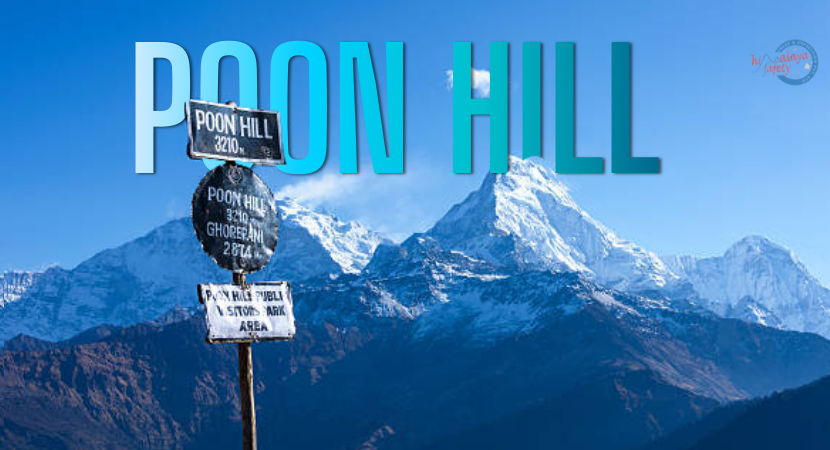
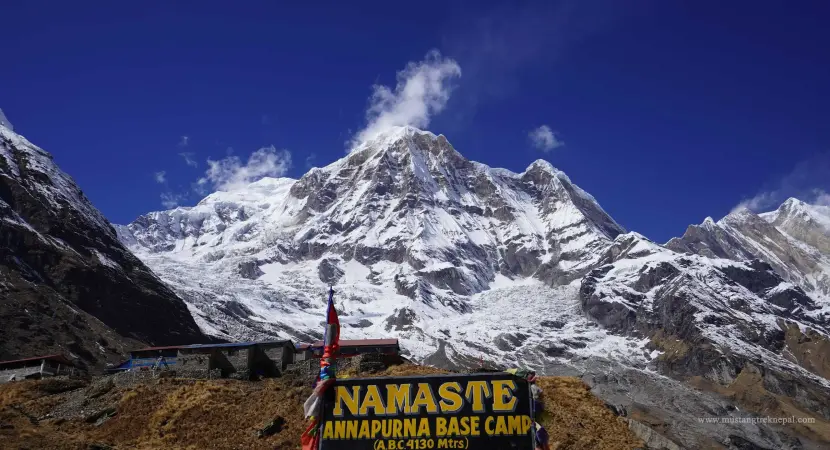
Known for its diverse scenery and accessibility, the Annapurna region features popular routes like Annapurna Base Camp and the Annapurna Circuit. Treks pass through varied climates, ethnic villages, and offer panoramic mountain views.
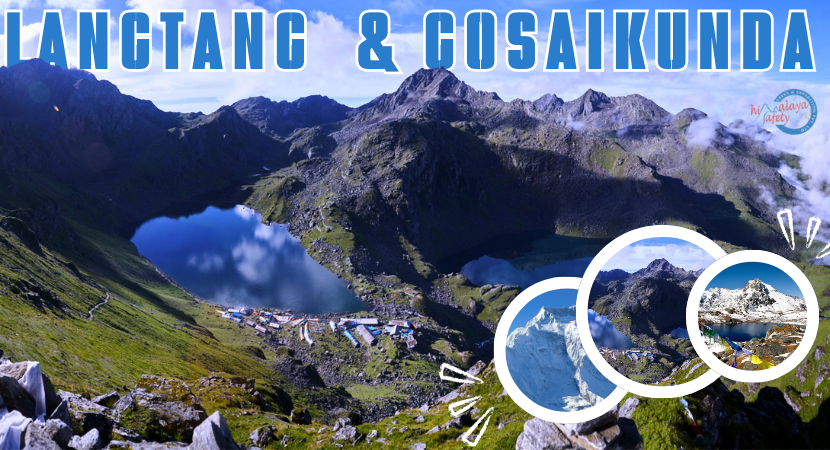
Located close to Kathmandu, the Langtang region provides a quieter trekking experience with beautiful valleys, alpine meadows, and traditional Tamang villages, all set against impressive Himalayan peaks.
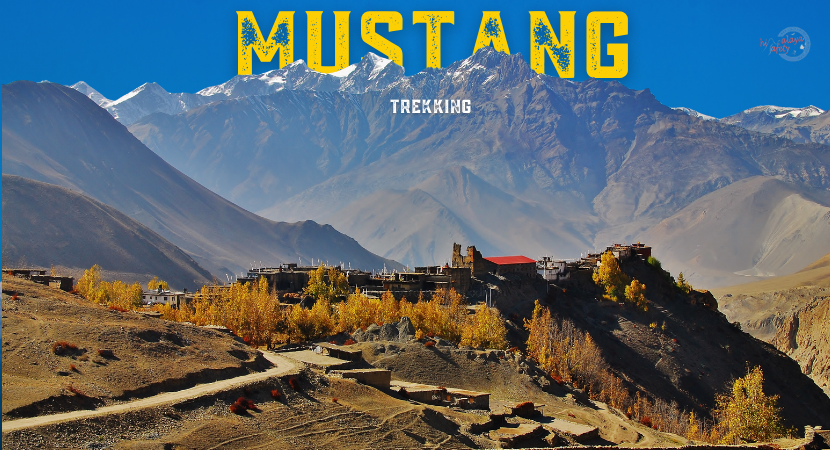
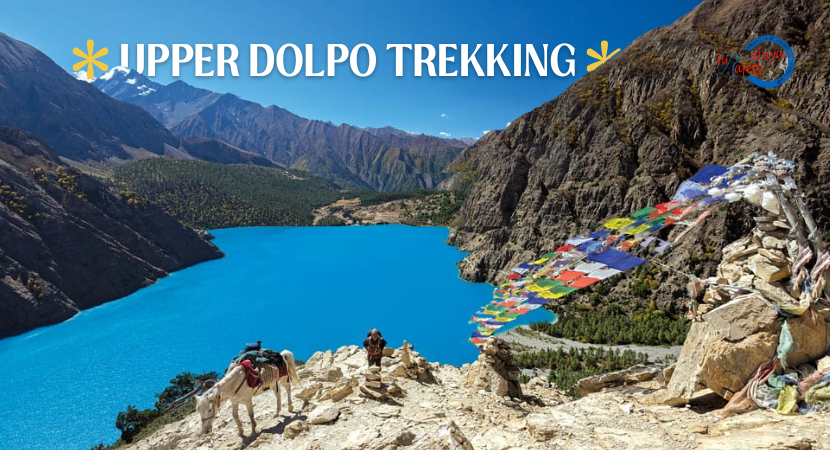
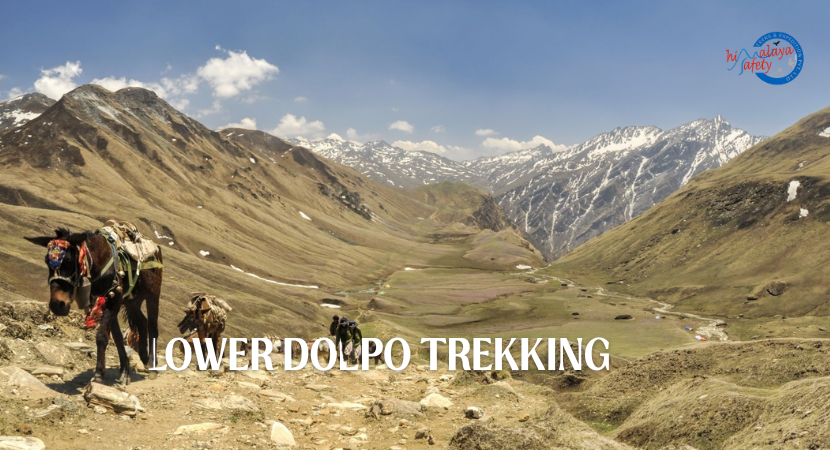
These treks offer a more remote and less crowded experience, featuring rugged landscapes, ancient Tibetan-influenced culture, and high mountain passes. Ideal for trekkers seeking adventure off the beaten path.
The best time for trekking in Nepal is during the autumn (September to November) and spring (March to May) seasons. In autumn, the skies are clear, mountains are visible, and the weather is pleasant, making it ideal for high-altitude treks. Spring offers blooming rhododendrons, moderate temperatures, and great visibility on the trails. Monsoon season (June to August) brings heavy rainfall, slippery trails, and possible landslides, while winter (December to February) can be very cold at higher altitudes, though lower region treks are still possible.
Trekking in Nepal is not only about reaching a destination but also about the journey itself. Along the way, trekkers enjoy warm hospitality in mountain teahouses, interact with local communities, and experience traditional lifestyles shaped by the Himalayas.
“Walk through the heart of the Himalayas and discover Nepal step by step.”


Something Amazing Waiting For you