Budget Planning for Your Trekking in Nepal: Costs and Money-Saving Tips
Nepal is one of the most affordable trekking destinations in the world, but it’s important to plan your budget carefully to make the most of your experience. Various expenses must be considered, from permit fees and guide costs to accommodation and meals.
Whether starting a short trek in the Annapurna region or tackling a longer, more remote trail in the Everest or Manaslu regions, understanding the costs and learning a few money-saving tips will help you enjoy your trek without breaking the bank.
In this guide, we’ll discuss the typical costs of trekking in Nepal and share some helpful tips on how to save money while trekking in the Himalayas.
1. Typical Costs for Trekking in Nepal
Nepal offers a range of trekking options, from budget-friendly routes to more luxurious, high-end experiences. Here’s an overview of the key expenses you’ll encounter on your trek.
Trekking Permits and Fees
One of the first things you’ll need to budget for is the permits required for most trekking routes in Nepal. The cost of permits depends on the trekking region you choose. Here are some common permits you’ll need:
TIMS (Trekkers’ Information Management System) Card:
USD 20 (for non-SAARC nationals)
USD 10 (for SAARC nationals)
Annapurna Conservation Area Permit (ACAP):
USD 20 (for foreign trekkers)
Sagarmatha National Park Permit (Everest Region):
USD 30
Manaslu Conservation Area Permit (MCAP):
USD 20
Special Trekking Permit: USD 60-100 (depending on the season and route)
If you’re trekking in restricted areas like Upper Mustang or Upper Dolpo, the cost of the special trekking permit can be significantly higher, costing between USD 500 - 1,000 for a 10-day permit.
Guide and Porter Fees
While trekking independently is possible in many regions, hiring a guide or porter is highly recommended, especially for remote or high-altitude treks. A guide enhances safety and helps with navigation, local cultural insight, and communication with locals.
Guide Fees: Around USD 20-30 per day, including food, accommodation, and insurance.
Porter Fees are typicallyUSD 15-20 per day (for carrying up to 25-30 kg of gear).
If you’re trekking in restricted areas (e.g., Manaslu, Upper Mustang), you will likely need to travel with a guide and in a group, which increases the cost of the trek.
Accommodation Costs
Accommodation on the trekking routes is generally affordable, especially in tea houses and guesthouses along the popular trekking trails.
Tea Houses/Guesthouses: Prices range from USD 5-10 per night for a basic room in lower-altitude areas. Due to limited options, prices may rise to USD 15-25 per night at higher altitudes.
Luxury Lodges: If you opt for a more luxurious trekking experience, especially in the Everest region (e.g., Everest Base Camp), you can expect prices to rise to USD 50-100 per night for higher-end lodges with hot showers and gourmet meals.
2. Food and Water Costs
Food is another key expense, and prices vary depending on where you are along the trekking route. Meals in the lower-altitude areas are generally cheaper, while prices increase as you ascend to higher elevations, where the cost of transportation and supplies is higher.
Basic Meals: In lower-altitude areas like Pokhara or Lukla, expect to pay around USD 3-6 per meal.
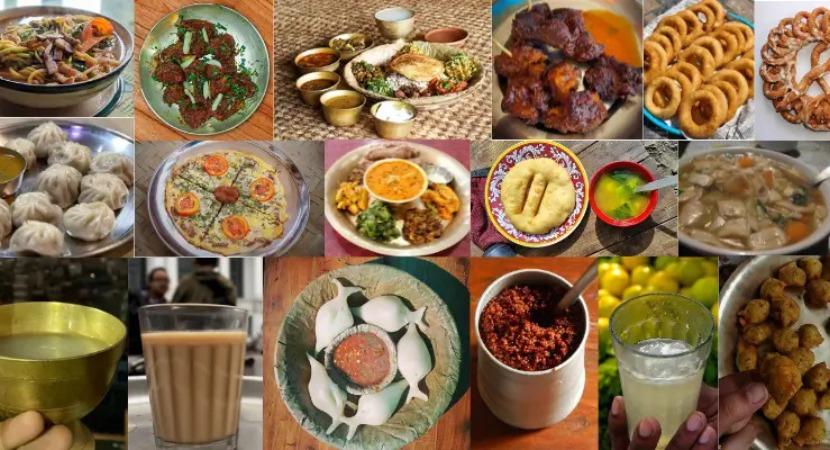
Mountain Meals: As you ascend, meal prices increase. In the Everest region, for example, a simple Dal Bhat (lentil soup with rice) might cost USD 6-8, while a pizza or pasta might cost around USD 8-12.
Drinking Water: In most trekking regions, bottled water can be expensive, ranging from USD 1-4 per bottle, depending on the altitude. Consider bringing a water purifier or purification tablets to save money and reduce plastic waste.
3. Transportation Costs
Transportation to and from the trekking regions can also add to your budget. Here’s a breakdown of typical transportation costs:
Flights: Flights to Lukla (for Everest treks) or Pokhara (for Annapurna region treks) from Kathmandu cost between USD 120 and 150 one-way.
Local Transportation: Public buses and jeep rides between cities and trailheads typically cost around USD 5-15. Private jeep rides can be more expensive, ranging from USD 50-100, depending on the distance.
4. Miscellaneous Costs
While trekking, there may be a few additional costs you should factor in:
Sim Cards and Wi-Fi: Many tea houses and lodges provide Wi-Fi for an additional cost (typically USD 1-3 per hour). Alternatively, you can buy a Nepali SIM card with data for around USD 5-10.
Hot Showers: Some tea houses charge a small fee (USD 2-5) for hot showers, especially in higher-altitude regions.
Snacks: Energy bars, chocolates, and other snacks are available along the trails, but they tend to be more expensive in the mountains. Budget around USD 2-5 for snacks per day.
5. Money-Saving Tips for Trekking in Nepal
Now that we’ve covered the typical costs, here are some money-saving tips to help you stay within budget while trekking in Nepal:
Travel During Off-Peak Seasons
Best Time to Save Money: While the peak trekking seasons (spring and autumn) offer the best weather, trekking in the off-peak seasons (winter or monsoon) can significantly reduce costs. Lodging and meals are often cheaper, and fewer tourists mean lower service demand.
Avoid Expensive Meals
Stick to Local Food: While trekking, stick to local dishes like Dal Bhat or noodles, which are filling and relatively cheap. Avoid Western meals (pizza, pasta, etc.), which cost two to three times more than local food.
Share Accommodation and Expenses
Group Trekking: If you’re travelling with a group, share rooms and other expenses (like guides and porters). This is often cheaper than going solo, especially in high-altitude areas where lodging can be pricey.
Bring Reusable Water Bottles and Purifiers
Cut Down on Water Costs: Instead of buying bottled water, bring a reusable water bottle with a filter or purification tablets. This will save you money and reduce plastic waste on the trails.
Plan and Book Permits in Advance
Avoid Last-Minute Fees: Arrange your permits through a trekking agency to avoid delays and last-minute permit fees.
Stay in Budget Guesthouses
Affordable Lodging: Stick to basic tea houses or guesthouses, especially in lower-altitude areas. Many guesthouses offer free or low-cost accommodation if you eat all your meals at the same place.
Consider a Guide and Porter for Safety
Safety First: While hiring a guide and porter adds to your costs, it can save you money in the long run by helping you avoid costly mistakes or delays. They can also help with route planning, making your trek more efficient and safer.
6. Conclusion: Trek Nepal on a Budget
Trekking in Nepal can be affordable, but it requires thoughtful budget planning like any trip. By understanding the typical trekking costs (from permits and guides to accommodation and food) and applying a few practical money-saving tips, you can enjoy a memorable trekking experience in the Himalayas without breaking the bank.
Whether on a tight budget or looking for a more luxurious trek, Nepal has something to offer trekkers of all budgets. Plan, be smart about your spending, and most importantly, enjoy Nepal’s incredible scenery, culture, and adventure! Nepal is one of the most affordable trekking destinations in the world, but it’s important to plan your budget carefully to make the most of your experience. Various expenses must be considered, from permit fees and guide costs to accommodation and meals.
Whether starting a short trek in the Annapurna region or tackling a longer, more remote trail in the Everest or Manaslu regions, understanding the costs and learning a few money-saving tips will help you enjoy your trek without breaking the bank.
In this guide, we’ll discuss the typical costs of trekking in Nepal and share some helpful tips on how to save money while trekking in the Himalayas.
1. Typical Costs for Trekking in Nepal
Nepal offers a range of trekking options, from budget-friendly routes to more luxurious, high-end experiences. Here’s an overview of the key expenses you’ll encounter on your trek.
Trekking Permits and Fees
One of the first things you’ll need to budget for is the permits required for most trekking routes in Nepal. The cost of permits depends on the trekking region you choose. Here are some common permits you’ll need:
TIMS (Trekkers’ Information Management System) Card:
USD 20 (for non-SAARC nationals)
USD 10 (for SAARC nationals)
Annapurna Conservation Area Permit (ACAP):
USD 20 (for foreign trekkers)
Sagarmatha National Park Permit (Everest Region):
USD 30
Manaslu Conservation Area Permit (MCAP):
USD 20
Special Trekking Permit: USD 60-100 (depending on the season and route)
If you’re trekking in restricted areas like Upper Mustang or Upper Dolpo, the cost of the special trekking permit can be significantly higher, costing between USD 500-1,000 for a 10-day permit.
Guide and Porter Fees
While trekking independently is possible in many regions, hiring a guide or porter is highly recommended, especially for remote or high-altitude treks. A guide enhances safety and helps with navigation, local cultural insight, and communication with locals.
Guide Fees: Around USD 20-30 per day, including food, accommodation, and insurance.
Porter Fees are typicallyUSD 15-20 per day (for carrying up to 25-30 kg of gear).
If you’re trekking in restricted areas (e.g., Manaslu, Upper Mustang), you will likely need to travel with a guide and in a group, which increases the cost of the trek.
Accommodation Costs
Accommodation on the trekking routes is generally affordable, especially in tea houses and guesthouses along the popular trekking trails.
Tea Houses/Guesthouses: Prices range from USD 5-10 per night for a basic room in lower-altitude areas. Due to limited options, prices may rise to USD 15-25 per night at higher altitudes.
Luxury Lodges: If you opt for a more luxurious trekking experience, especially in the Everest region (e.g., Everest Base Camp), you can expect prices to rise to USD 50-100 per night for higher-end lodges with hot showers and gourmet meals.
2. Food and Water Costs
Food is another key expense, and prices vary depending on where you are along the trekking route. Meals in the lower-altitude areas are generally cheaper, while prices increase as you ascend to higher elevations, where the cost of transportation and supplies is higher.
Basic Meals: In lower-altitude areas like Pokhara or Lukla, expect to pay around USD 3-6 per meal.
Mountain Meals: As you ascend, meal prices increase. In the Everest region, for example, a simple Dal Bhat (lentil soup with rice) might cost USD 6-8, while a pizza or pasta might cost around USD 8-12.
Drinking Water: In most trekking regions, bottled water can be expensive, ranging from USD 1-4 per bottle, depending on the altitude. Consider bringing a water purifier or purification tablets to save money and reduce plastic waste.
3. Transportation Costs
Transportation to and from the trekking regions can also add to your budget. Here’s a breakdown of typical transportation costs:
Flights: Flights to Lukla (for Everest treks) or Pokhara (for Annapurna region treks) from Kathmandu cost between USD 120 and 150 one-way.
Local Transportation: Public buses and jeep rides between cities and trailheads typically cost around USD 5-15. Private jeep rides can be more expensive, ranging from USD 50-100, depending on the distance.
4. Miscellaneous Costs
While trekking, there may be a few additional costs you should factor in:
Sim Cards and Wi-Fi: Many tea houses and lodges provide Wi-Fi for an additional cost (typically USD 1-3 per hour). Alternatively, you can buy a Nepali SIM card with data for around USD 5-10.
Hot Showers: Some tea houses charge a small fee (USD 2-5) for hot showers, especially in higher-altitude regions.
Snacks: Energy bars, chocolates, and other snacks are available along the trails, but they tend to be more expensive in the mountains. Budget around USD 2-5 for snacks per day.
5. Money-Saving Tips for Trekking in Nepal
Now that we’ve covered the typical costs, here are some money-saving tips to help you stay within budget while trekking in Nepal:
Travel During Off-Peak Seasons
Best Time to Save Money: While the peak trekking seasons (spring and autumn) offer the best weather, trekking in the off-peak seasons (winter or monsoon) can significantly reduce costs. Lodging and meals are often cheaper, and fewer tourists mean lower service demand.
Avoid Expensive Meals
Stick to Local Food: While trekking, stick to local dishes like Dal Bhat or noodles, which are filling and relatively cheap. Avoid Western meals (pizza, pasta, etc.), which cost two to three times more than local food.
Share Accommodation and Expenses
Group Trekking: If you’re traveling with a group, share rooms and other expenses (like guides and porters). This is often cheaper than going solo, especially in high-altitude areas where lodging can be pricey.
Bring Reusable Water Bottles and Purifiers
Cut Down on Water Costs: Instead of buying bottled water, bring a reusable water bottle with a filter or purification tablets. This will save you money and reduce plastic waste on the trails.
Plan and Book Permits in Advance
Avoid Last-Minute Fees: Arrange your permits through a trekking agency to avoid delays and last-minute permit fees.
Stay in Budget Guesthouses
Affordable Lodging: Stick to basic tea houses or guesthouses, especially in lower-altitude areas. Many guesthouses offer free or low-cost accommodation if you eat all your meals at the same place.
Consider a Guide and Porter for Safety
Safety First: While hiring a guide and porter adds to your costs, it can save you money in the long run by helping you avoid costly mistakes or delays. They can also help with route planning, making your trek more efficient and safer.
6. Conclusion: Trek Nepal on a Budget
Trekking in Nepal can be affordable, but it requires thoughtful budget planning like any trip. By understanding the typical trekking costs (from permits and guides to accommodation and food) and applying a few practical money-saving tips, you can enjoy a memorable trekking experience in the Himalayas without breaking the bank.
Whether on a tight budget or looking for a more luxurious trek, Nepal has something to offer trekkers of all budgets. Plan, be smart about your spending, and most importantly, enjoy Nepal’s incredible scenery, culture, and adventure! Nepal is one of the most affordable trekking destinations in the world, but it’s important to plan your budget carefully to make the most of your experience. Various expenses must be considered, from permit fees and guide costs to accommodation and meals.
Whether starting a short trek in the Annapurna region or tackling a longer, more remote trail in the Everest or Manaslu regions, understanding the costs and learning a few money-saving tips will help you enjoy your trek without breaking the bank.
In this guide, we’ll discuss the typical costs of trekking in Nepal and share some helpful tips on how to save money while trekking in the Himalayas.
1. Typical Costs for Trekking in Nepal
Nepal offers a range of trekking options, from budget-friendly routes to more luxurious, high-end experiences. Here’s an overview of the key expenses you’ll encounter on your trek.
Trekking Permits and Fees
One of the first things you’ll need to budget for is the permits required for most trekking routes in Nepal. The cost of permits depends on the trekking region you choose. Here are some common permits you’ll need:
TIMS (Trekkers’ Information Management System) Card:
USD 20 (for non-SAARC nationals)
USD 10 (for SAARC nationals)
Annapurna Conservation Area Permit (ACAP):
USD 20 (for foreign trekkers)
Sagarmatha National Park Permit (Everest Region):
USD 30
Manaslu Conservation Area Permit (MCAP):
USD 20
Special Trekking Permit: USD 60-100 (depending on the season and route)
If you’re trekking in restricted areas like Upper Mustang or Upper Dolpo, the cost of the special trekking permit can be significantly higher, costing between USD 500-1,000 for a 10-day permit.
Guide and Porter Fees
While trekking independently is possible in many regions, hiring a guide or porter is highly recommended, especially for remote or high-altitude treks. A guide enhances safety and helps with navigation, local cultural insight, and communication with locals.
Guide Fees: Around USD 20-30 per day, including food, accommodation, and insurance.
Porter Fees are typicallyUSD 15-20 per day (for carrying up to 25-30 kg of gear).
If you’re trekking in restricted areas (e.g., Manaslu, Upper Mustang), you will likely need to travel with a guide and in a group, which increases the cost of the trek.
Accommodation Costs
Accommodation on the trekking routes is generally affordable, especially in tea houses and guesthouses along the popular trekking trails.
Tea Houses/Guesthouses: Prices range from USD 5-10 per night for a basic room in lower-altitude areas. Due to limited options, prices may rise to USD 15-25 per night at higher altitudes.
Luxury Lodges: If you opt for a more luxurious trekking experience, especially in the Everest region (e.g., Everest Base Camp), you can expect prices to rise to USD 50-100 per night for higher-end lodges with hot showers and gourmet meals.
2. Food and Water Costs
Food is another key expense, and prices vary depending on where you are along the trekking route. Meals in the lower-altitude areas are generally cheaper, while prices increase as you ascend to higher elevations, where the cost of transportation and supplies is higher.
Basic Meals: In lower-altitude areas like Pokhara or Lukla, expect to pay around USD 3-6 per meal.
Mountain Meals: As you ascend, meal prices increase. In the Everest region, for example, a simple Dal Bhat (lentil soup with rice) might cost USD 6-8, while a pizza or pasta might cost around USD 8-12.
Drinking Water: In most trekking regions, bottled water can be expensive, ranging from USD 1-4 per bottle, depending on the altitude. Consider bringing a water purifier or purification tablets to save money and reduce plastic waste.
3. Transportation Costs
Transportation to and from the trekking regions can also add to your budget. Here’s a breakdown of typical transportation costs:
Flights: Flights to Lukla (for Everest treks) or Pokhara (for Annapurna region treks) from Kathmandu cost between USD 120 and 150 one-way.
Local Transportation: Public buses and jeep rides between cities and trailheads typically cost around USD 5-15. Private jeep rides can be more expensive, ranging from USD 50-100, depending on the distance.
4. Miscellaneous Costs
While trekking, there may be a few additional costs you should factor in:
Sim Cards and Wi-Fi: Many tea houses and lodges provide Wi-Fi for an additional cost (typically USD 1-3 per hour). Alternatively, you can buy a Nepali SIM card with data for around USD 5-10.
Hot Showers: Some tea houses charge a small fee (USD 2-5) for hot showers, especially in higher-altitude regions.
Snacks: Energy bars, chocolates, and other snacks are available along the trails, but they tend to be more expensive in the mountains. Budget around USD 2-5 for snacks per day.
5. Money-Saving Tips for Trekking in Nepal
Now that we’ve covered the typical costs, here are some money-saving tips to help you stay within budget while trekking in Nepal:
Travel During Off-Peak Seasons
Best Time to Save Money: While the peak trekking seasons (spring and autumn) offer the best weather, trekking in the off-peak seasons (winter or monsoon) can significantly reduce costs. Lodging and meals are often cheaper, and fewer tourists mean lower service demand.
Avoid Expensive Meals
Stick to Local Food: While trekking, stick to local dishes like Dal Bhat or noodles, which are filling and relatively cheap. Avoid Western meals (pizza, pasta, etc.), which cost two to three times more than local food.
Share Accommodation and Expenses
Group Trekking: If you’re traveling with a group, share rooms and other expenses (like guides and porters). This is often cheaper than going solo, especially in high-altitude areas where lodging can be pricey.
Bring Reusable Water Bottles and Purifiers
Cut Down on Water Costs: Instead of buying bottled water, bring a reusable water bottle with a filter or purification tablets. This will save you money and reduce plastic waste on the trails.
Plan and Book Permits in Advance
Avoid Last-Minute Fees: Arrange your permits through a trekking agency to avoid delays and last-minute permit fees.
Stay in Budget Guesthouses
Affordable Lodging: Stick to basic tea houses or guesthouses, especially in lower-altitude areas. Many guesthouses offer free or low-cost accommodation if you eat all your meals at the same place.
Consider a Guide and Porter for Safety
Safety First: While hiring a guide and porter adds to your costs, it can save you money in the long run by helping you avoid costly mistakes or delays. They can also help with route planning, making your trek more efficient and safer.
6. Conclusion: Trek Nepal on a Budget
Trekking in Nepal can be affordable, but it requires thoughtful budget planning like any trip. By understanding the typical trekking costs (from permits and guides to accommodation and food) and applying a few practical money-saving tips, you can enjoy a memorable trekking experience in the Himalayas without breaking the bank.
Whether on a tight budget or looking for a more luxurious trek, Nepal has something to offer trekkers of all budgets. Plan, be smart about your spending, and most importantly, enjoy Nepal’s incredible scenery, culture, and adventure!Nepal is one of the most affordable trekking destinations in the world, but it’s important to plan your budget carefully to make the most of your experience. Various expenses must be considered, from permit fees and guide costs to accommodation and meals.
Whether starting a short trek in the Annapurna region or tackling a longer, more remote trail in the Everest or Manaslu regions, understanding the costs and learning a few money-saving tips will help you enjoy your trek without breaking the bank.
In this guide, we’ll discuss the typical costs of trekking in Nepal and share some helpful tips on how to save money while trekking in the Himalayas.
1. Typical Costs for Trekking in Nepal
Nepal offers a range of trekking options, from budget-friendly routes to more luxurious, high-end experiences. Here’s an overview of the key expenses you’ll encounter on your trek.
Trekking Permits and Fees
One of the first things you’ll need to budget for is the permits required for most trekking routes in Nepal. The cost of permits depends on the trekking region you choose. Here are some common permits you’ll need:
TIMS (Trekkers’ Information Management System) Card:
USD 20 (for non-SAARC nationals)
USD 10 (for SAARC nationals)
Annapurna Conservation Area Permit (ACAP):
USD 20 (for foreign trekkers)
Sagarmatha National Park Permit (Everest Region):
USD 30
Manaslu Conservation Area Permit (MCAP):
USD 20
Special Trekking Permit: USD 60-100 (depending on the season and route)
If you’re trekking in restricted areas like Upper Mustang or Upper Dolpo, the cost of the special trekking permit can be significantly higher, costing between USD 500-1,000 for a 10-day permit.
Guide and Porter Fees
While trekking independently is possible in many regions, hiring a guide or porter is highly recommended, especially for remote or high-altitude treks. A guide enhances safety and helps with navigation, local cultural insight, and communication with locals.
Guide Fees: Around USD 20-30 per day, including food, accommodation, and insurance.
Porter Fees are typicallyUSD 15-20 per day (for carrying up to 25-30 kg of gear).
If you’re trekking in restricted areas (e.g., Manaslu, Upper Mustang), you will likely need to travel with a guide and in a group, which increases the cost of the trek.
Accommodation Costs
Accommodation on the trekking routes is generally affordable, especially in tea houses and guesthouses along the popular trekking trails.
Tea Houses/Guesthouses: Prices range from USD 5-10 per night for a basic room in lower-altitude areas. Due to limited options, prices may rise to USD 15-25 per night at higher altitudes.
Luxury Lodges: If you opt for a more luxurious trekking experience, especially in the Everest region (e.g., Everest Base Camp), you can expect prices to rise to USD 50-100 per night for higher-end lodges with hot showers and gourmet meals.
2. Food and Water Costs
Food is another key expense, and prices vary depending on where you are along the trekking route. Meals in the lower-altitude areas are generally cheaper, while prices increase as you ascend to higher elevations, where the cost of transportation and supplies is higher.
Basic Meals: In lower-altitude areas like Pokhara or Lukla, expect to pay around USD 3-6 per meal.
Mountain Meals: As you ascend, meal prices increase. In the Everest region, for example, a simple Dal Bhat (lentil soup with rice) might cost USD 6-8, while a pizza or pasta might cost around USD 8-12.
Drinking Water: In most trekking regions, bottled water can be expensive, ranging from USD 1-4 per bottle, depending on the altitude. Consider bringing a water purifier or purification tablets to save money and reduce plastic waste.
3. Transportation Costs
Transportation to and from the trekking regions can also add to your budget. Here’s a breakdown of typical transportation costs:
Flights: Flights to Lukla (for Everest treks) or Pokhara (for Annapurna region treks) from Kathmandu cost between USD 120 and 150 one-way.
Local Transportation: Public buses and jeep rides between cities and trailheads typically cost around USD 5-15. Private jeep rides can be more expensive, ranging from USD 50-100, depending on the distance.
4. Miscellaneous Costs
While trekking, there may be a few additional costs you should factor in:
Sim Cards and Wi-Fi: Many tea houses and lodges provide Wi-Fi for an additional cost (typically USD 1-3 per hour). Alternatively, you can buy a Nepali SIM card with data for around USD 5-10.
Hot Showers: Some tea houses charge a small fee (USD 2-5) for hot showers, especially in higher-altitude regions.
Snacks: Energy bars, chocolates, and other snacks are available along the trails, but they tend to be more expensive in the mountains. Budget around USD 2-5 for snacks per day.
5. Money-Saving Tips for Trekking in Nepal
Now that we’ve covered the typical costs, here are some money-saving tips to help you stay within budget while trekking in Nepal:
Travel During Off-Peak Seasons
Best Time to Save Money: While the peak trekking seasons (spring and autumn) offer the best weather, trekking in the off-peak seasons (winter or monsoon) can significantly reduce costs. Lodging and meals are often cheaper, and fewer tourists mean lower service demand.
Avoid Expensive Meals
Stick to Local Food: While trekking, stick to local dishes like Dal Bhat or noodles, which are filling and relatively cheap. Avoid Western meals (pizza, pasta, etc.), which cost two to three times more than local food.
Share Accommodation and Expenses
Group Trekking: If you’re travelling with a group, share rooms and other expenses (like guides and porters). This is often cheaper than going solo, especially in high-altitude areas where lodging can be pricey.
Bring Reusable Water Bottles and Purifiers
Cut Down on Water Costs: Instead of buying bottled water, bring a reusable water bottle with a filter or purification tablets. This will save you money and reduce plastic waste on the trails.
Plan and Book Permits in Advance
Avoid Last-Minute Fees: Arrange your permits through
Для быстрого и эффективного избавления от неприятных соседей воспользуйтесь услугами дезинфекция квартиры от клопов отзывы чтобы вернуть дому комфорт и спокойствие. Клопы предпочитают прятаться в труднодоступных местах что усложняет борьбу с ними.
Post a comment
Your email address will not be published. Required fields are marked *
Real experiences from our trekkers, climbers, and adventure travelers. See why people choose Himalaya Safety Treks & Expedition for unforgettable journeys across Nepal.
What Our Travelers Say
"I did the 10 days ABC trek with Batti, a very good guide. The trek was amazing! First, I met the owner who gave me lots of information and advices for the trek. This agency is very..."
Clémence
Annapurna base camp trek
"처음부터 끝까지 완전 퍼펙트 했습니다 ^^
부펜 사장님과 미팅을 시작으로 3박 4일 동거동락을 함께했던 가이드와 포터 까지 친절하고 섬세한 보살핌 덕분에 뷰 포인트에서 장엄한 일출까지 보..."
박승직
PoonHill Annapurna Experience with Bijay
"I cannot praise Himalaya Safety enough for organizing my unforgettable Panchase trek in Nepal! Bhupi’s expertise in advising me on the perfect trek for my preferences was invaluabl..."
Gabriella Metrucci
Panchase trek
"I’ve just returned from a 9 day Annapurna base camp trek. The trek was very well planned out. Pre trek itinerary and information was excellent. The guides, Madhav, Santosh and Kim..."
Lynette Blanchard
Annapurna base camp trek
"I booked a day rock climbing and Mardi Himal trek through Himalaya safety adventure. I had a fantastic day climbing with Bhoopi. He was patient, kind and a brilliant climbing partn..."
Lucy Brierley
Mardi Himal Trek and Rock Climbing
"We had an amazing rock climbing session with Bhoopie in Pokhara – truly an unforgettable experience! Bhoopie’s expertise and calm guidance made us feel safe and confident throughou..."
Leonardo Lehning
Rock Climbing Experience
"마르디히말 트래킹과 패러글라이딩, 비행기를 여기서 예약했어요. 가이드와 포터 모두 친절했어요. 특히 가이드는 한국말을 잘했고, 저랑 엄마가 계단을 힘들어했는데 최대한 계단 없는 길로 가..."
We may use cookies or any other tracking technologies when you visit our website, including any other media form, mobile website, or mobile application related or connected to help customize the Site and improve your experience.